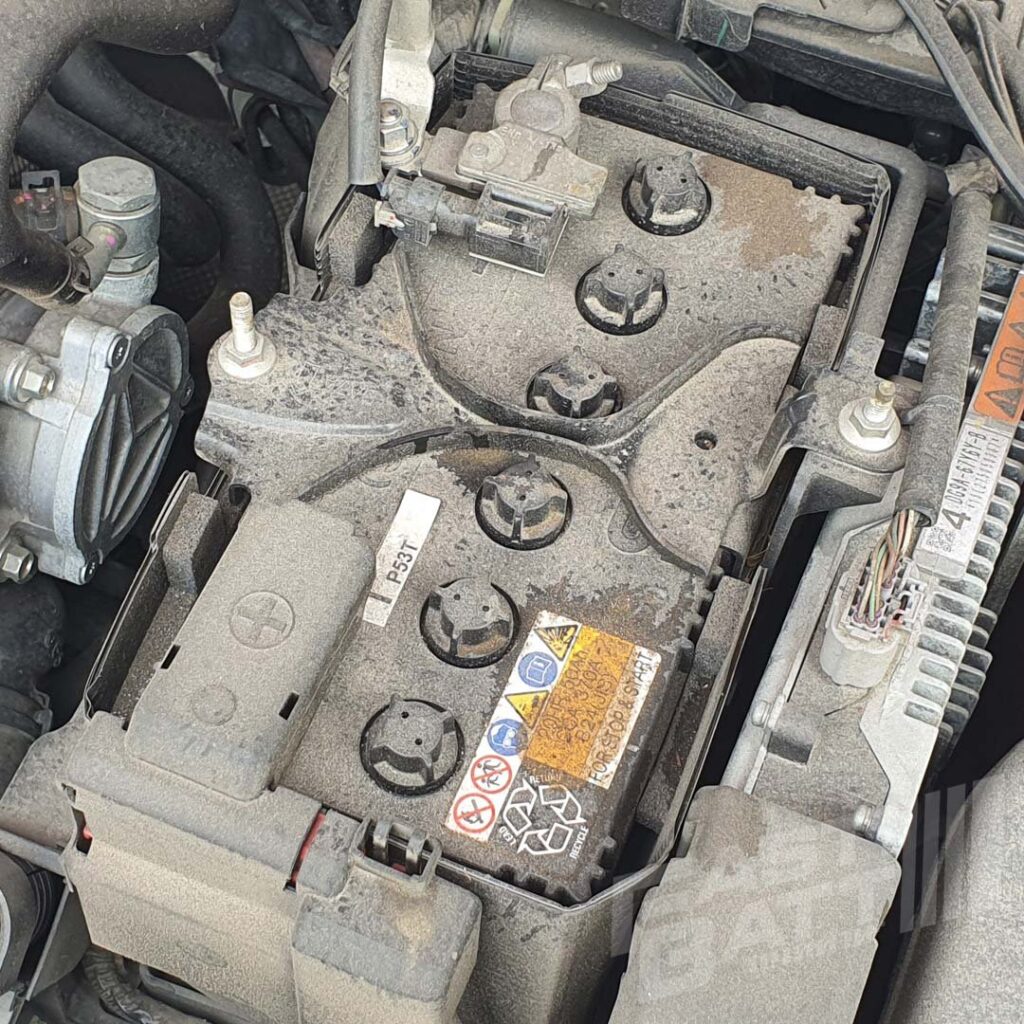
How many years does a car battery last?
Are you one of those people? When our battery shows signs of degradation, or the service center tells us our battery is starting to wear out, we don’t immediately replace it at the service center. This is because the battery price at the service center is considerably higher than replacing it outside, and there’s also the labor cost for the technician, which further increases the overall expense of replacing the battery.
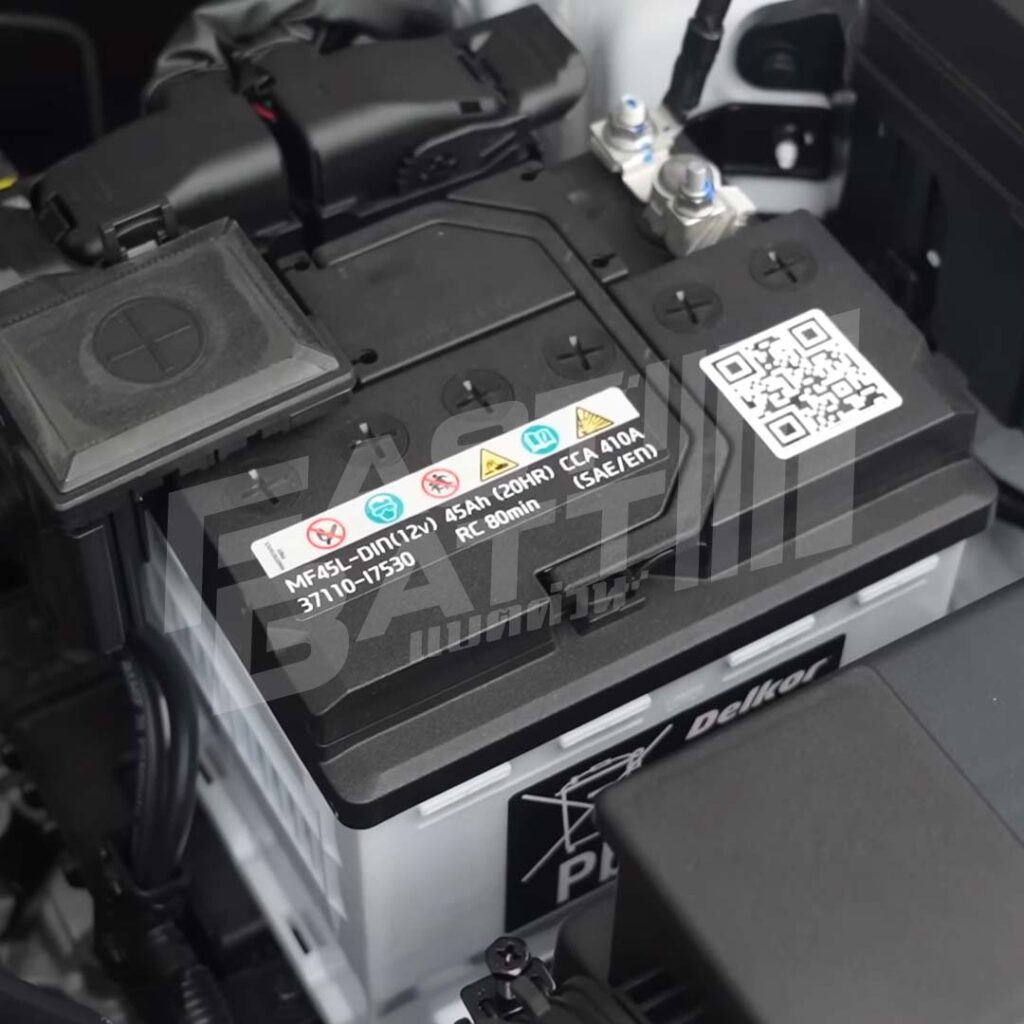
When we start looking for information about replacing a new battery, we often have similar questions in mind like: How long should a battery last? Why is our battery life short? Or, Which battery brand is good? How many years can a battery be used? There isn’t a fixed answer to these questions regarding how long our car battery will last.
GS BATTERY states that car batteries have an average lifespan of about 1-2 years. Many factors affect battery life, including an individual’s driving habits (whether they drive excessively or too little), weather conditions, and battery maintenance (such as checking distilled water levels or cleaning the battery to prevent corrosion).
Beyond usage, modern cars increasingly feature advanced technology like electric tailgates, parking mode dashcams, or customized audio systems. These systems draw power directly from the battery even when the car is off, causing the battery to work harder. This is another reason why batteries degrade faster.
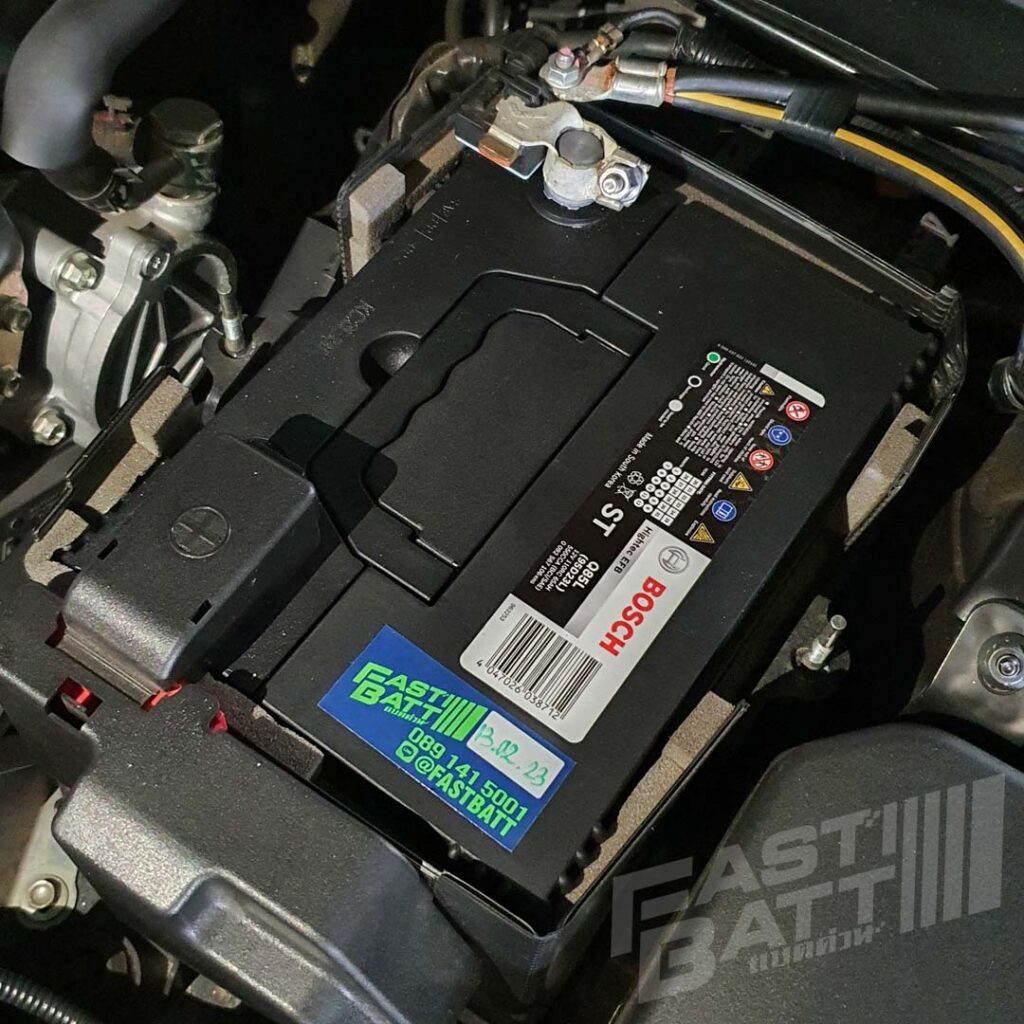
Replacing a new battery!
For cars that have been used for a while, or if our car is getting older, if you want to change the battery, the store recommends that you can choose a battery with a slightly higher ampere capacity than the standard of the car. This is because as the age of the car increases, various components in the car, such as wiring or the alternator, may deteriorate and reduce their ability to conduct electricity. Therefore, increasing the ampere above the standard is to prevent insufficient power supply. Once the new battery has been replaced, FASTBATT has some small techniques to help extend the life of our battery for a longer use, if not much.
1. For batteries used heavily continuously over 100 km/day for an extended period, maintenance is required for lead-acid batteries, including regular checks of the electrolyte level to ensure it remains within appropriate bounds.
2. For parked vehicles, if they are left unused for 3-7 days or more regularly, it’s important to start the car and let it run for about 20-30 minutes/week to stimulate the battery and reduce the risk of faster deterioration. If the vehicle needs to be parked for longer than one week, it should be taken for a drive for about 30-45 minutes to ensure the battery gets charged.
3. If it’s necessary to leave the car parked for 1-2 months or more, the battery’s charge level should be checked before use, or the battery should be removed and taken to a specialist for recharging to reduce the risk of accelerated deterioration.
4. If the battery is well maintained or a new battery has been replaced but the car still does not start, it may be presumed that the issue lies with other components such as the alternator, starter, or electrical short, among others.
Copyright : fastbattofficial
Facebook : fastbattfans