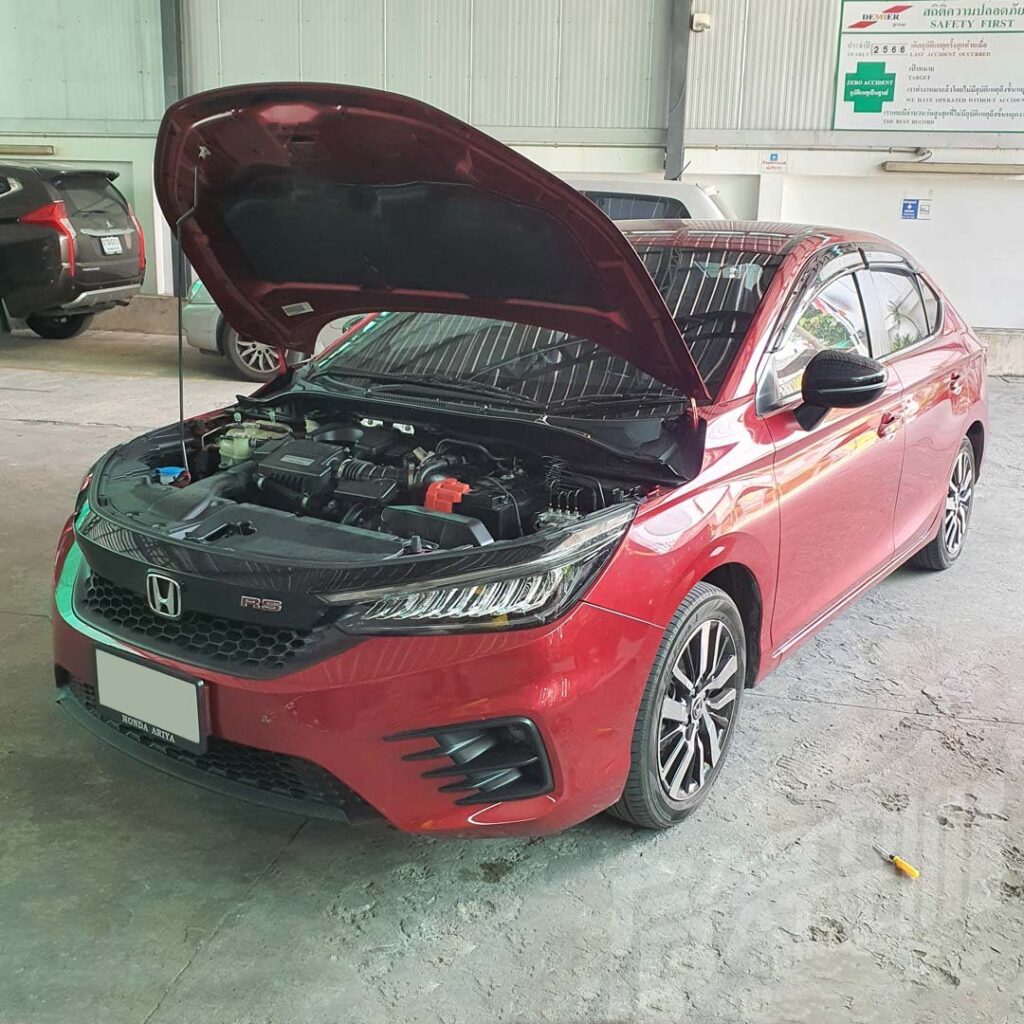
How to start a car with a dead battery?
Are you one of those people who are having trouble with your car not starting? The reason our car won’t start can be due to several factors, such as a worn starter motor, an issue with the car’s electrical system, or other problems. But in this case, we are going to talk about our car having a dead battery. A dead battery can happen for many reasons, such as forgetting to leave the lights on in the car, a deteriorated battery that won’t hold a charge, a ground issue, or leaving the car parked for a long time. Are there ways to get our car to start in all these situations?
Many friends may be wondering and have seen the widely shared video of connecting wires directly to start a car by touching the starter wire to the battery, making the car start. What you see can’t actually be done with a car that has a dead battery; it can only be done if your battery still has enough power to start. I highly recommend not doing this, as it could damage the system due to a short circuit, and many experts have reiterated that this should not be done.
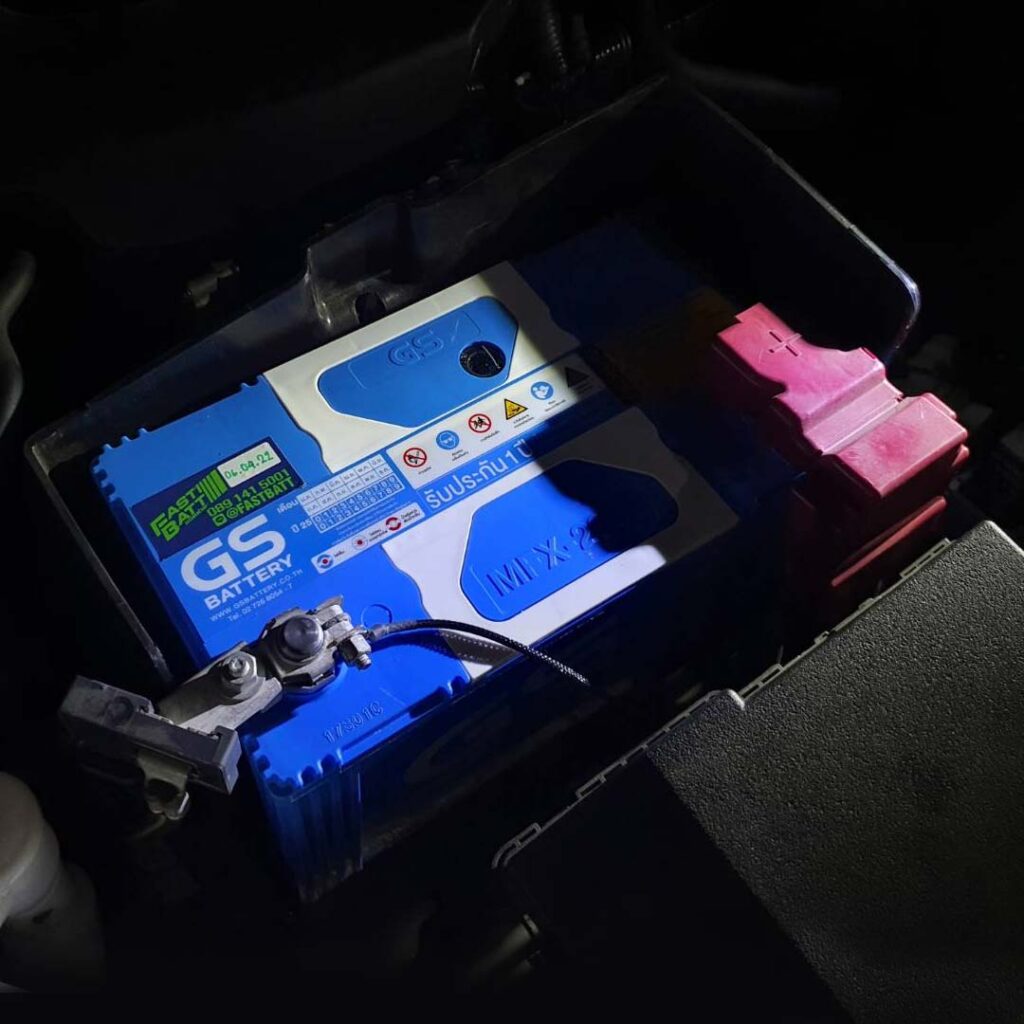
What should I do if the car battery is dead?
In the case of our car battery running out due to the reasons mentioned above, is there a way to actually start a car with a dead battery? To summarize simply: if the battery is dead, including in cases of a weak battery, our car will not be able to start on its own. It is necessary to have assistance equipment to start the car, such as a jump starter, requesting assistance to jump-start from another car, or calling for emergency jump-start services from our shop can be another interesting option.
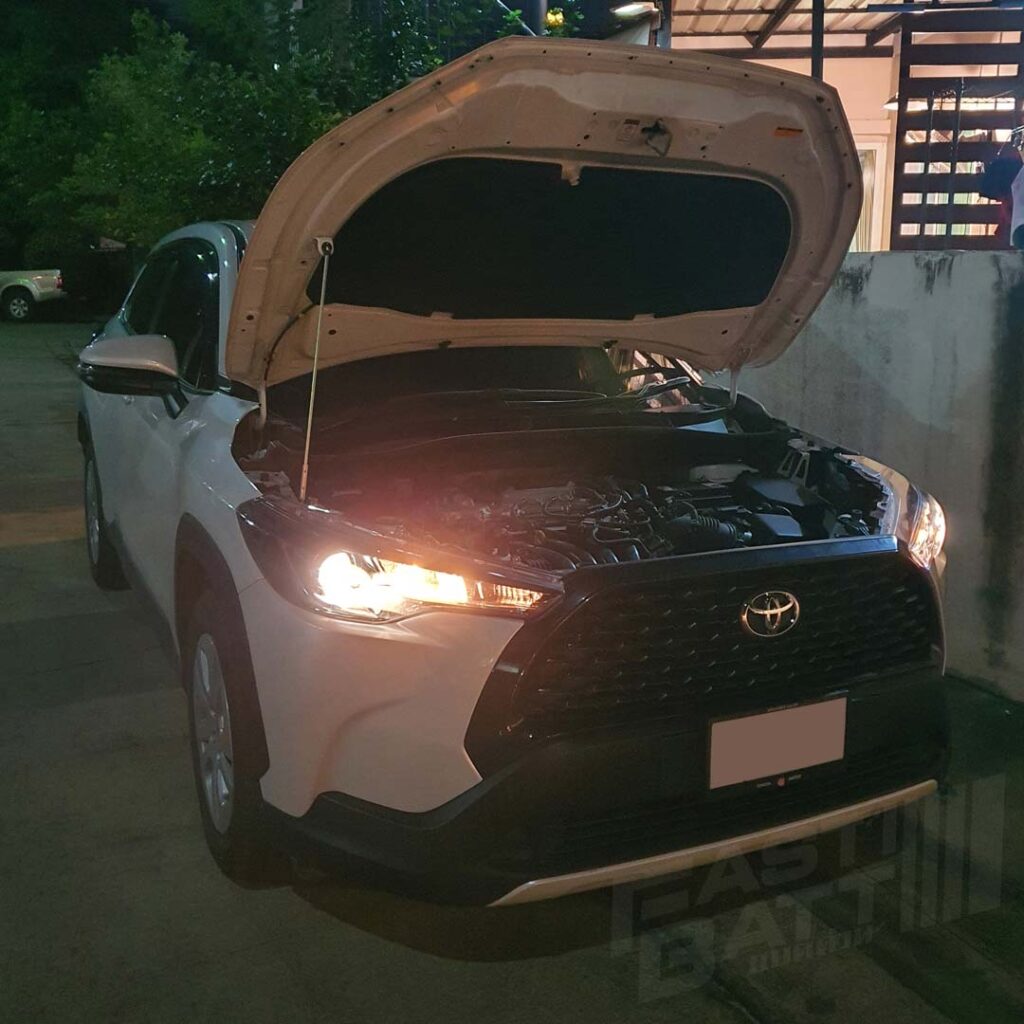
What should be done after the car starts?
1. Do not turn off the engine while you have not yet reached your destination at all. If the car battery deteriorates, you will not be able to start the engine again.
2. In the case that a new battery is still in good condition, you should drive the car for at least 45 minutes so that the charger can fully charge the battery.
3. Leaving the engine running or idling does not recharge your car battery. Simply put, leaving the car running does almost nothing to help!
4. If the battery starts to deteriorate, leaving it parked for 6-8 hours may lead to the symptom of not starting.
5. If the battery is very deteriorated, just 2-3 hours may result in the symptom of “the car won’t start.
6. You should replace the car battery immediately because this situation may happen again, anywhere, anytime!
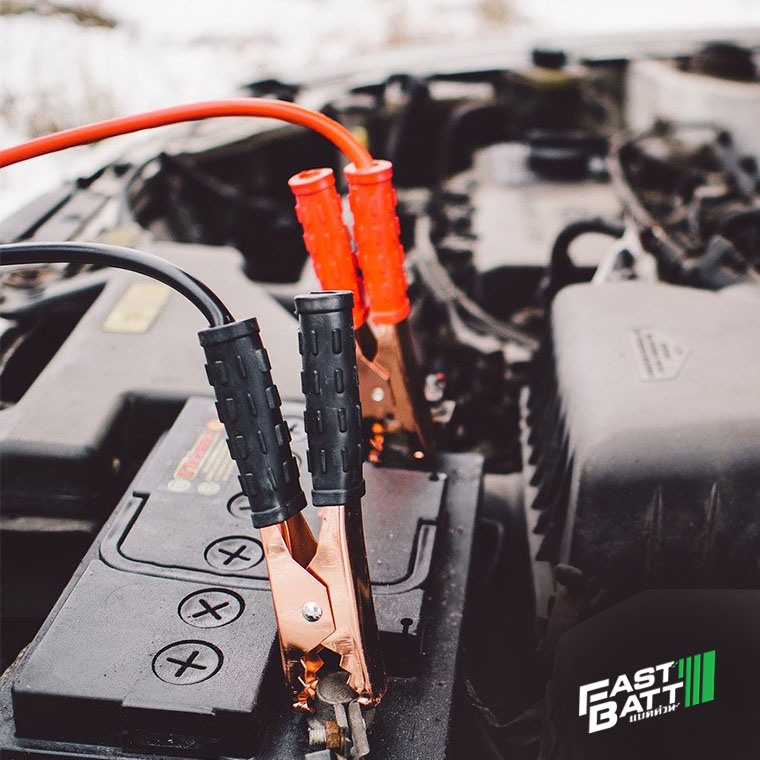
Why won’t the battery jumper connect?
1. The jumper cables are not standard, such as those that are too thin or those that are large but have little copper wire.
2. The battery is severely degraded, often occurring in cases where the vehicle has been parked for a long time.
3. The starter motor or starter is worn out.
4. The alternator is faulty.
5. There is an issue with the electrical system. 6. The fuel pump is broken.
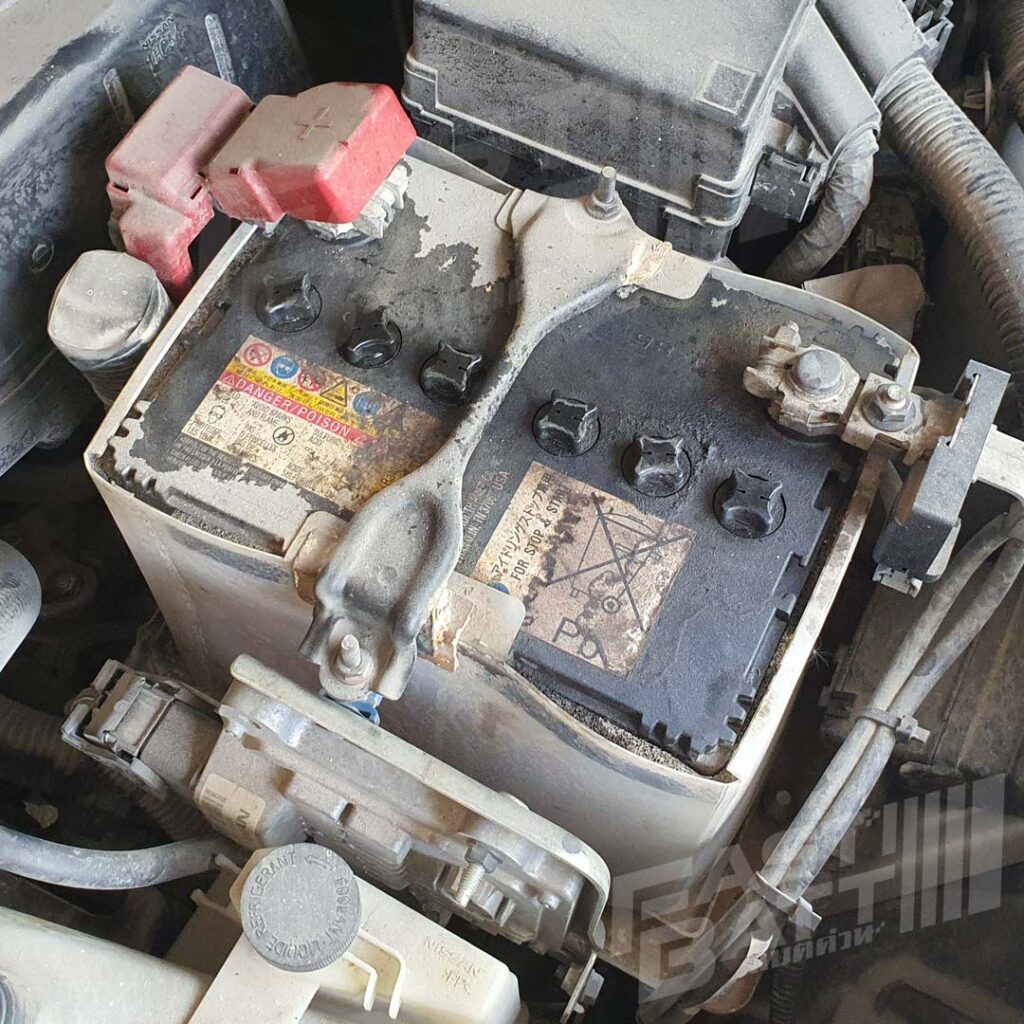
The battery is degraded, it’s out of power, and it doesn’t hold a charge?
According to GS BATTERY, the average lifespan of a car battery is about 1-2 years. There are many factors that affect the lifespan of the battery, such as the individual usage patterns of the car, whether it is used heavily or very little, leaving the car parked for a long time, weather conditions, and the maintenance of the battery itself, including monitoring the electrolyte level and cleaning the battery to prevent corrosion! In addition to usage, modern cars now come equipped with more advanced technology systems, such as electric tailgate systems, parking mode dash cameras, or audio system modifications. This means that while the car is turned off, these systems will draw power directly from the battery, causing the battery to work harder, which is another reason for battery drain and faster deterioration.
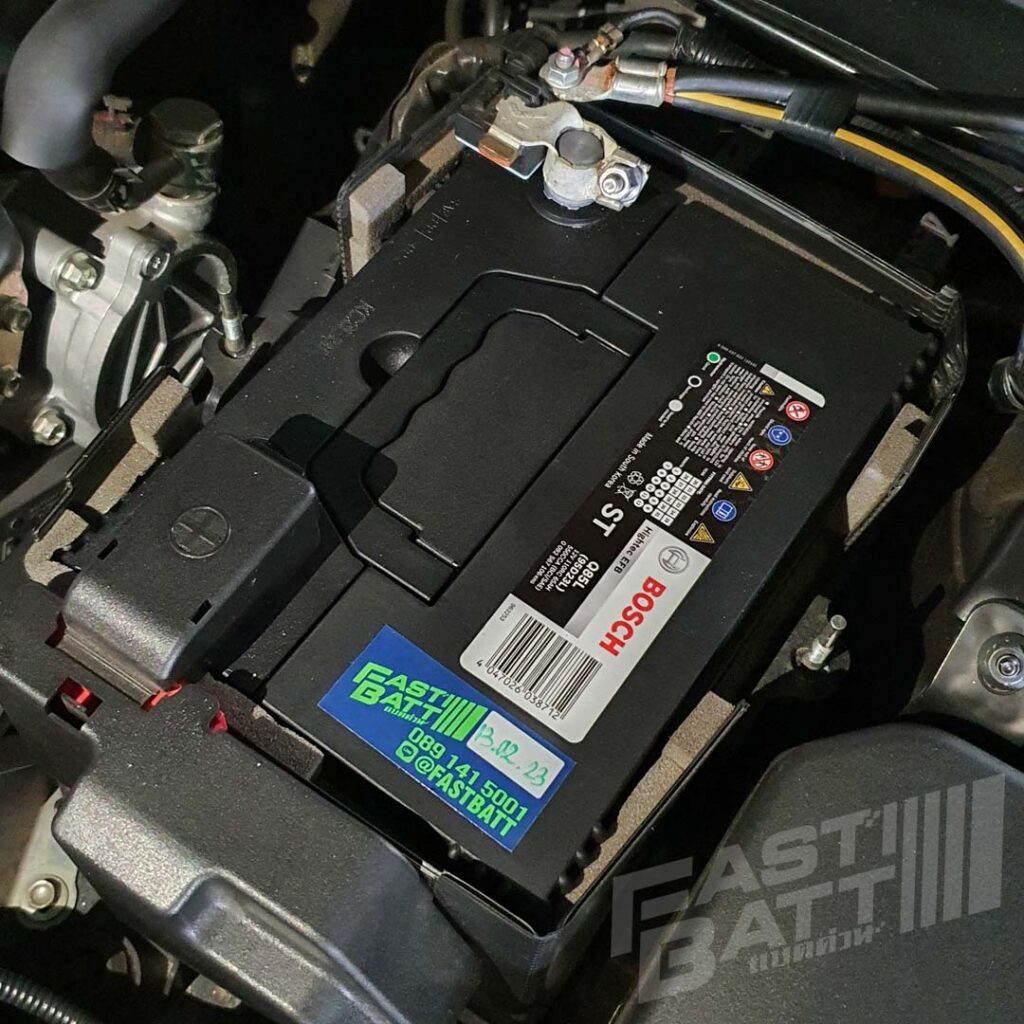
How to change to a new battery?
For cars that have been in use for a while, or if our car is aging, if you want to replace the battery, the shop recommends that you can choose a battery with slightly higher amp power than the standard of the car. This is because as the car ages, various components in the car, such as wires or the alternator, may deteriorate and can reduce the electric current. Therefore, increasing the amps above the standard is to prevent inadequate current supply. Once the new battery has been replaced, FASTBATT has a few little tips to help extend the life of our battery, if not much.
1. For batteries used heavily continuously over 100 km/day for an extended period, maintenance is required for lead-acid batteries, including regular checks of the electrolyte level to ensure it remains within appropriate bounds.
2. For parked vehicles, if left unattended for 3-7 days or more regularly, it’s important to start the vehicle for about 20-30 minutes/week to help maintain charge in the battery and reduce the risk of quicker deterioration. If parking for longer than 1 week is necessary, the vehicle should be driven for about 30-45 minutes to charge the battery.
3. If it’s necessary to leave a vehicle parked for 1-2 months or more, check the battery level before use or remove the battery and have a professional technician charge it before use to reduce the risk of premature battery degradation.
4. If you regularly check and maintain the battery or replace it but your vehicle still does not start, it may be assumed that the issue could be due to other factors such as the alternator, starter motor, or electrical shorts.
Copyright : fastbattofficial
Facebook : fastbattfans