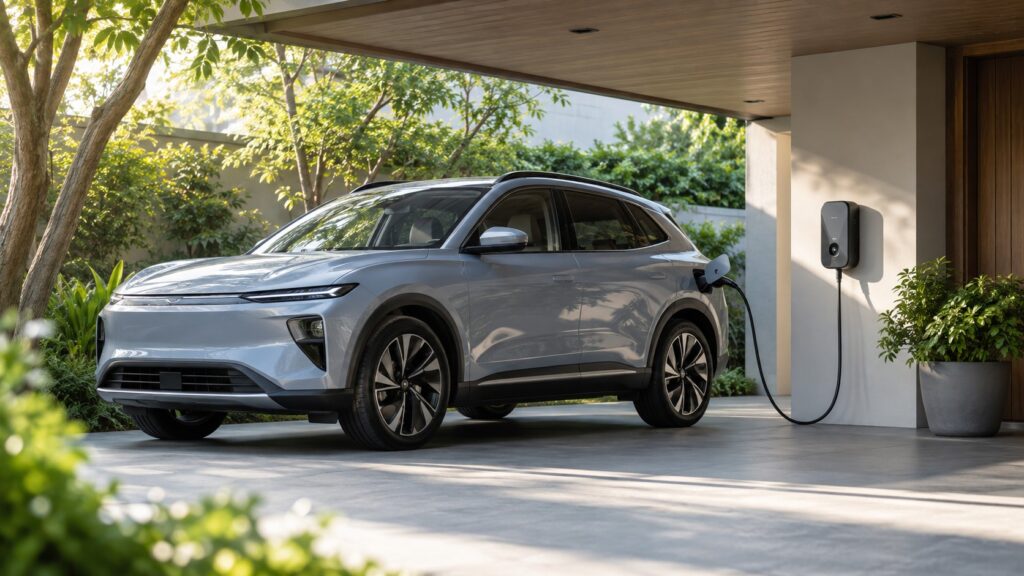
The high-voltage battery is at the heart of an electric vehicle (EV) and is one of its most valuable components. It is natural to wonder whether you should charge to 100% every time, how often to use DC fast charging, and how to park your car to help slow battery degradation.
If you ask me, the short answer is there is no need to worry so much that your EV becomes inconvenient to use. Avoid leaving the battery near 0% or 100% for long periods, limit heat buildup, and follow the instructions for your particular vehicle. Battery chemistry and battery management systems (BMS) vary between models.
What Causes EV Battery Degradation?
Lithium-ion batteries naturally age with both time and use. This is a gradual process rather than an overnight failure: maximum capacity decreases over time, so the distance you can drive on a charge may be lower than when the car was new.
- Calendar aging: Batteries age even when the car is parked, particularly in very hot conditions or at a high state of charge for extended periods.
- Cycle aging: Repeated charging and discharging gradually contribute to cell degradation.
- High temperatures: Heat accelerates chemical reactions inside the cells and can speed up degradation.
- Prolonged charge extremes: Frequently leaving the battery near 0% or 100% puts additional stress on it.
- Frequent high-power charging: DC fast charging is a normal, convenient feature, but repeated use in hot conditions or charging close to full every time can increase thermal stress.
10 Ways to Help Your EV Battery Last Longer
1. Set a Daily Charge Limit That Suits Your Vehicle
For many EVs with NMC or NCA batteries, daily charging recommendations fall around 70–90%, with charging to 100% reserved for longer trips. However, the correct limit is the one specified in your owner’s manual, on the vehicle display, or in the manufacturer’s app.
For LFP batteries, some manufacturers recommend charging to 100% periodically to help the BMS estimate the state of charge accurately. An 80% limit should therefore not be applied as a universal rule to every EV.
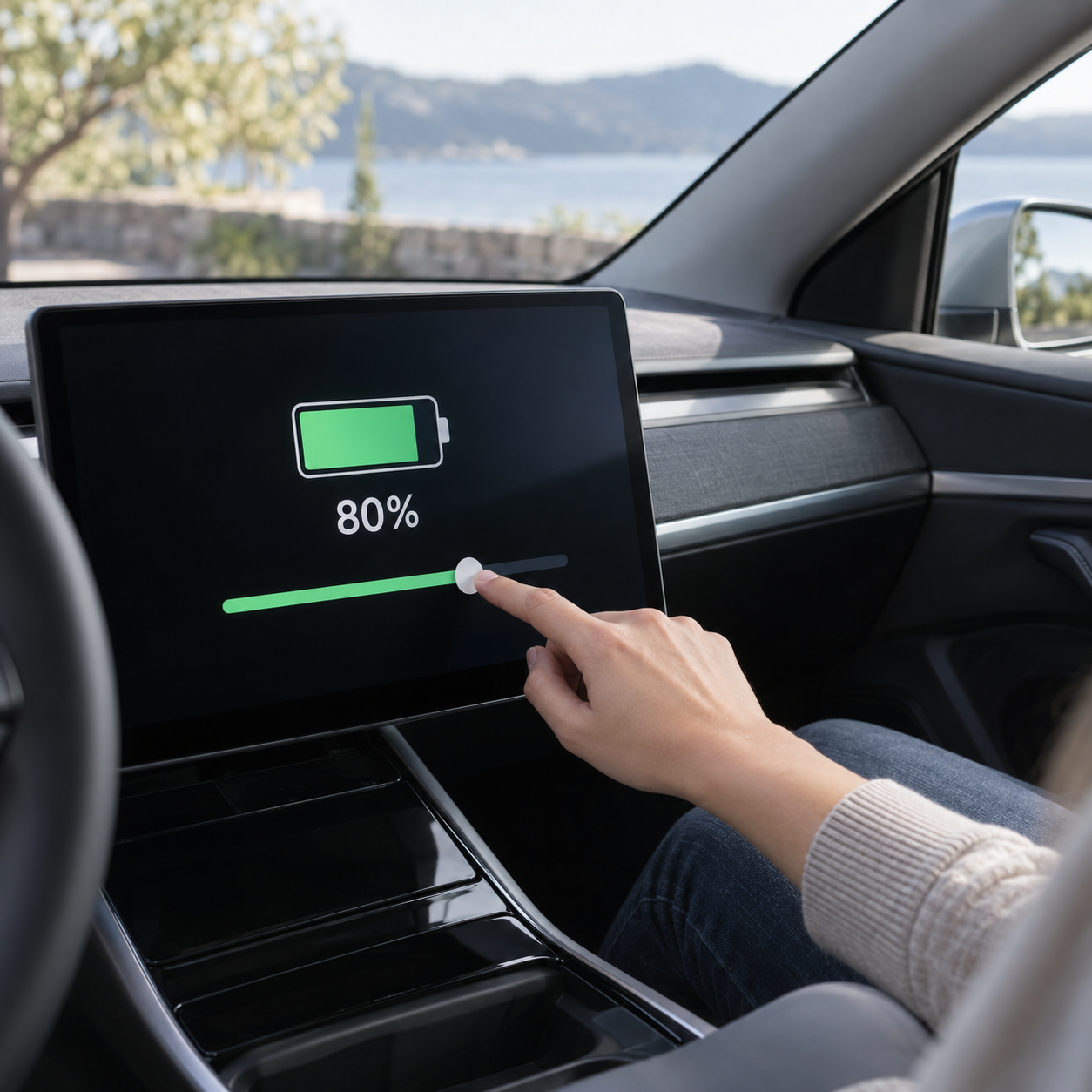
2. Avoid Frequently Running the Battery Down to 0%
You do not need to wait until the battery is almost empty before charging. Small top-ups whenever convenient are normal. Plan to charge before the level becomes very low, and avoid leaving the car parked at 0%, as its electronics and low-voltage battery systems may still consume energy while it is not being driven.
3. Do Not Leave the Car at 100% Longer Than Necessary
Charging fully before a long journey is fine. When possible, schedule charging to finish shortly before departure rather than leaving the car fully charged for hours or days. This reduces the time the cells spend at a high voltage.
4. Make AC Charging Your Everyday Option
AC charging at home or work is well suited to daily use. It generally uses lower power and places less thermal demand on the battery than DC fast charging. Use compliant charging equipment installed by a qualified electrician, and check that cables and connectors are not damaged.
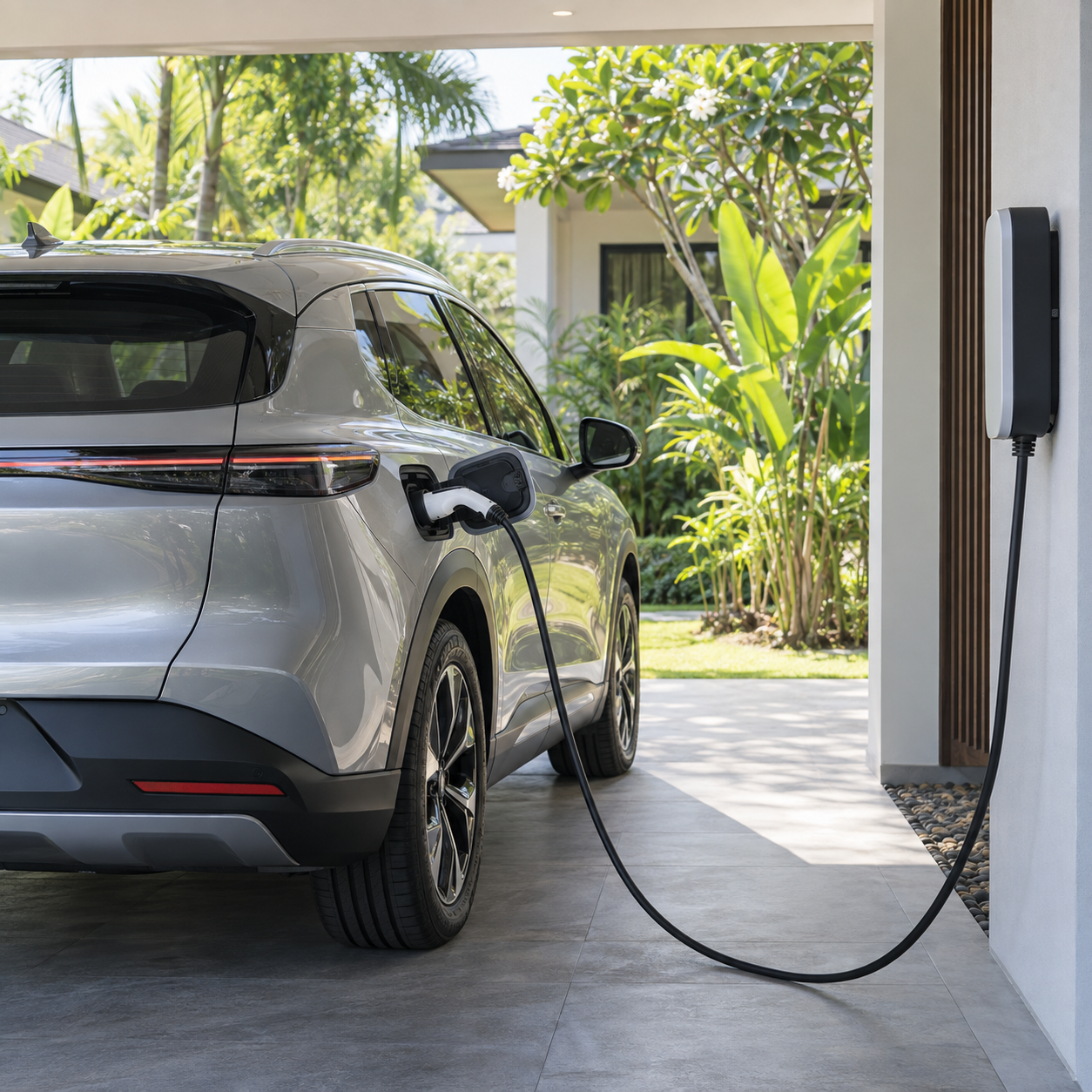
5. Use DC Fast Charging When You Need It
DC fast charging is designed to work safely with the vehicle’s BMS. It is useful for long journeys and whenever you need a quick charge. When time allows, relying mainly on AC charging and using DC fast charging as needed can help reduce long-term thermal stress.
Charging power often drops noticeably above about 80%, so continuing to 100% can take considerably longer. If you already have enough range, stopping at a suitable level and continuing your journey may save time and reduce the time spent at a very high state of charge.
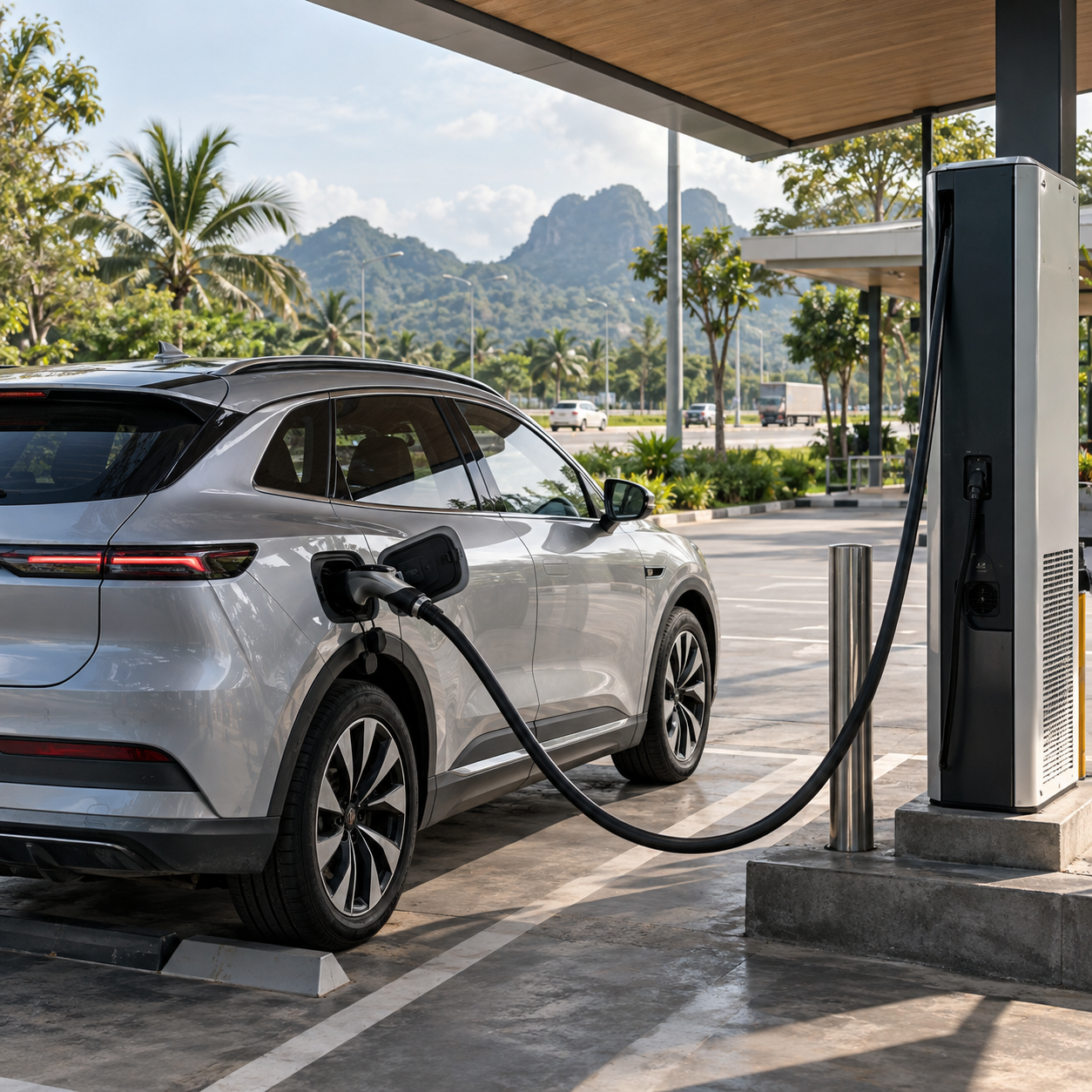
6. Reduce Heat Buildup, Especially in Thailand’s Climate
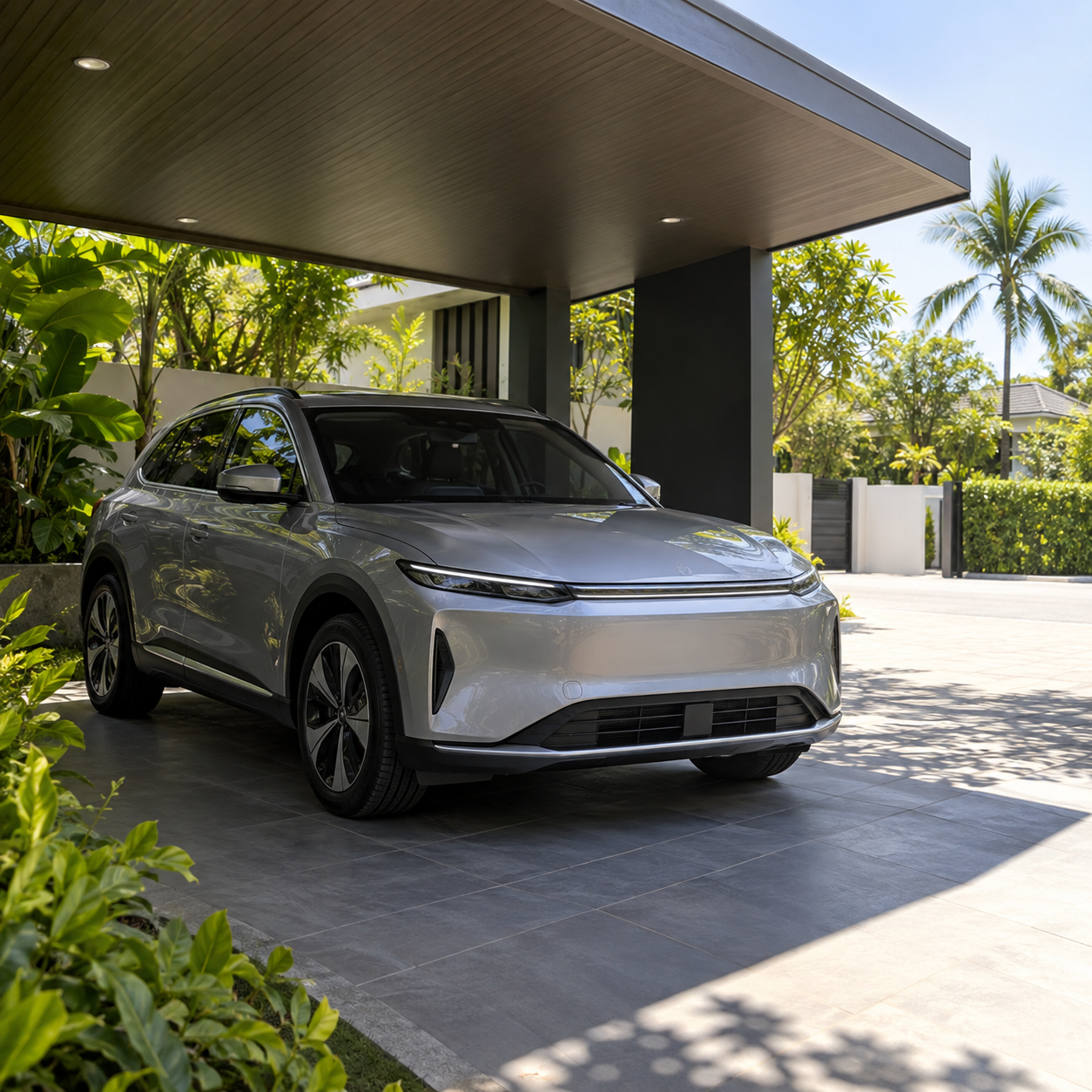
High temperatures are an important factor in battery aging. Park in the shade or a well-ventilated area when possible, avoid unnecessary prolonged exposure to intense sunlight, and use scheduled cabin cooling while plugged in if your vehicle supports it.
Modern EVs have battery thermal management systems. If the car reduces charging power or activates cooling, let the system operate normally. Do not disable or modify components involved in temperature control.
7. Use Battery Preconditioning When Available
Some vehicles prepare the battery temperature in advance when a fast charging station is selected in the navigation system. Bringing the battery into a suitable temperature range helps it accept power efficiently and limits stress from excessively hot or cold conditions. Follow the vehicle’s instructions for preconditioning before charging or departure.
8. Prepare the Battery Before Long-Term Parking
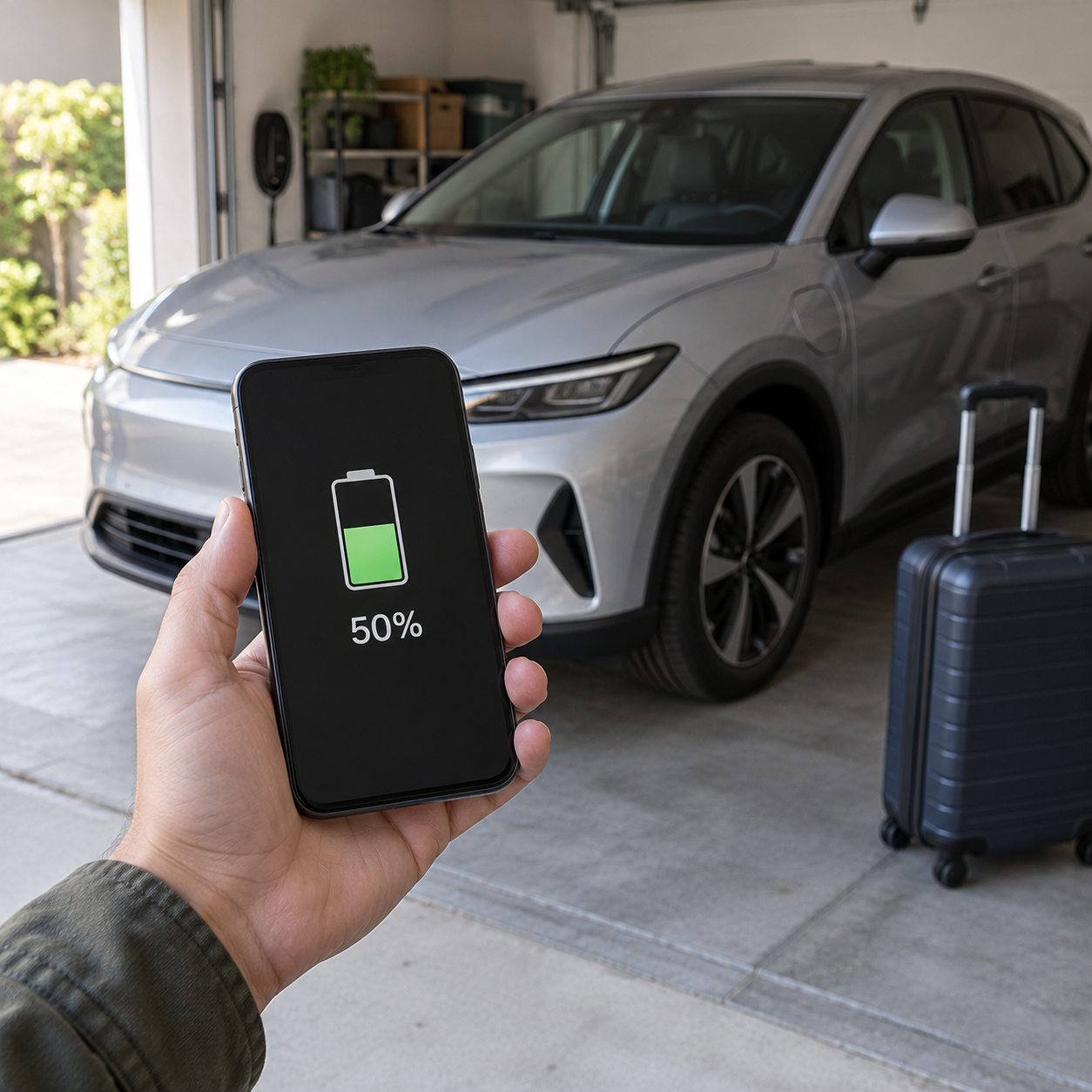
If you will leave the car parked for several weeks, check its owner’s manual. Some manufacturers recommend keeping it plugged in with a storage charge limit. Where no specific level is provided, a general approach is to keep the battery in a moderate range, around 40–60%, and switch off unnecessary parked power consumers such as surveillance cameras or continuous climate control.
9. Keep Software Updated and Follow the Service Schedule
Vehicle software controls charging, discharging, and thermal management. Manufacturer-recommended updates may improve performance or address operating issues. Have the battery cooling system checked according to the maintenance schedule for your model.
10. Do Not Overlook the 12V Battery
Alongside the high-voltage traction battery, many EVs use a 12V low-voltage battery to wake up the vehicle, power control systems, and operate contactors. If this battery deteriorates, the car may fail to start even when the traction battery still has energy. Have it checked if you see warnings, experience unusual unlocking behavior, or notice inconsistent electrical operation.
EV Charging Guide for Common Situations
| Situation | Recommended approach |
|---|---|
| Everyday driving | Use the manufacturer’s recommended daily limit; many NMC/NCA models use a limit around 70–90%. |
| Long journeys | Charging to 100% is acceptable; aim to finish shortly before departure. |
| Vehicles with LFP batteries | Follow the manufacturer’s instructions. Some models require periodic full charges for BMS calibration. |
| A quick top-up | Use DC fast charging as needed. Avoid charging to 100% every time when it is unnecessary. |
| Parking for several weeks | Check the manual. If no specific guidance is given, a moderate level around 40–60% is a general guideline; check the charge periodically. |
Common Misconceptions About EV Battery Care
Do I Need to Charge to 100% Every Time?
Not for most everyday driving. However, some LFP-equipped vehicles have specific instructions for periodic full charging. Check your battery type and owner’s manual before setting a limit.
Should I Nearly Empty the Battery Before Charging?
No. Lithium-ion batteries do not need to be fully discharged before recharging. Topping up during the day or whenever convenient is fine and helps avoid leaving the battery at a very low charge level.
Does DC Fast Charging Immediately Damage the Battery?
No. Fast charging is a normal supported function. The BMS adjusts power according to temperature and state of charge. Very frequent high-power charging, especially in hot conditions, may add cumulative stress compared with relying mainly on AC charging.
Warning Signs That Deserve a Professional Inspection
- Driving range drops unusually quickly despite similar driving patterns and weather.
- The car will not charge, stops charging unexpectedly, or takes unusually long to charge.
- Battery, high-voltage system, or drivetrain warnings appear.
- Vehicle power is restricted without a clear explanation.
- The cooling system remains unusually noisy or there are signs of fluid leaks.
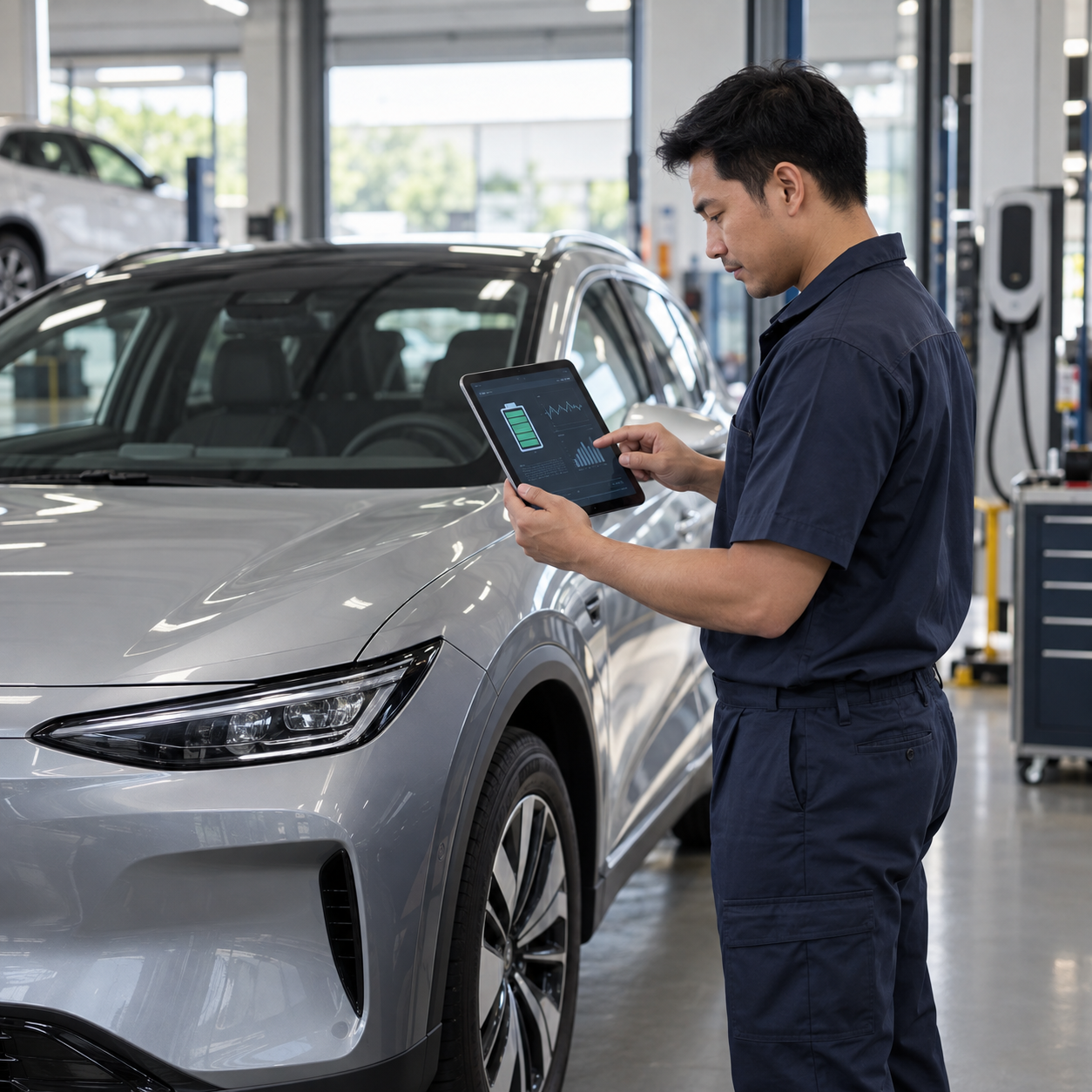
If a high-voltage warning appears, do not open or repair the battery yourself. Have the vehicle inspected by technicians trained and equipped to work on high-voltage systems.
Frequently Asked Questions
How Many Years Does an EV Battery Last?
There is no single figure that applies to every vehicle. Battery life depends on cell chemistry, temperature, charging habits, mileage, and battery management. Capacity generally declines gradually rather than suddenly becoming unusable at a particular age. Check the battery warranty terms for your make and model.
Can I Charge My EV Every Night?
Yes, provided the equipment and electrical installation meet the required standards and you use the manufacturer’s recommended charge limit. The vehicle manages charging and stops accepting charging power when it reaches the selected level.
Will Long-Term Parking Affect the Battery?
The battery continues to age, and the vehicle may consume some energy even while parked. Risks increase if it is left in extreme heat or close to 0% or 100% for a long time. Before parking for several weeks, read the storage instructions, disable unnecessary power-consuming features, and check the charge periodically.
What Percentage Should I Charge My EV To?
Use the level recommended by the manufacturer. Many NMC/NCA vehicles use daily limits around 70–90%, while some LFP models require periodic charging to 100%. One number should not be applied to every make and model.
Does Hot Weather Speed Up EV Battery Degradation?
High temperatures can accelerate battery aging even when the vehicle has a thermal management system. Parking in the shade, scheduling charging for cooler periods, and maintaining the cooling system can help, especially in Thailand.
Practical EV Battery Care: The Takeaway
Looking after an EV battery does not mean avoiding full charging or DC fast charging altogether. It means using the car sensibly, limiting prolonged charge extremes and heat exposure, and following the manufacturer’s instructions. If I had to choose just a few habits, I would start with the correct daily charge limit for the battery type, parking in the shade when possible, and avoiding leaving the battery near 0% for long periods. These are practical ways to reduce the factors that accelerate degradation.
Note: This article provides general guidance. Battery chemistry and control software vary between models. Consult your owner’s manual or the manufacturer’s latest instructions before changing charging settings.