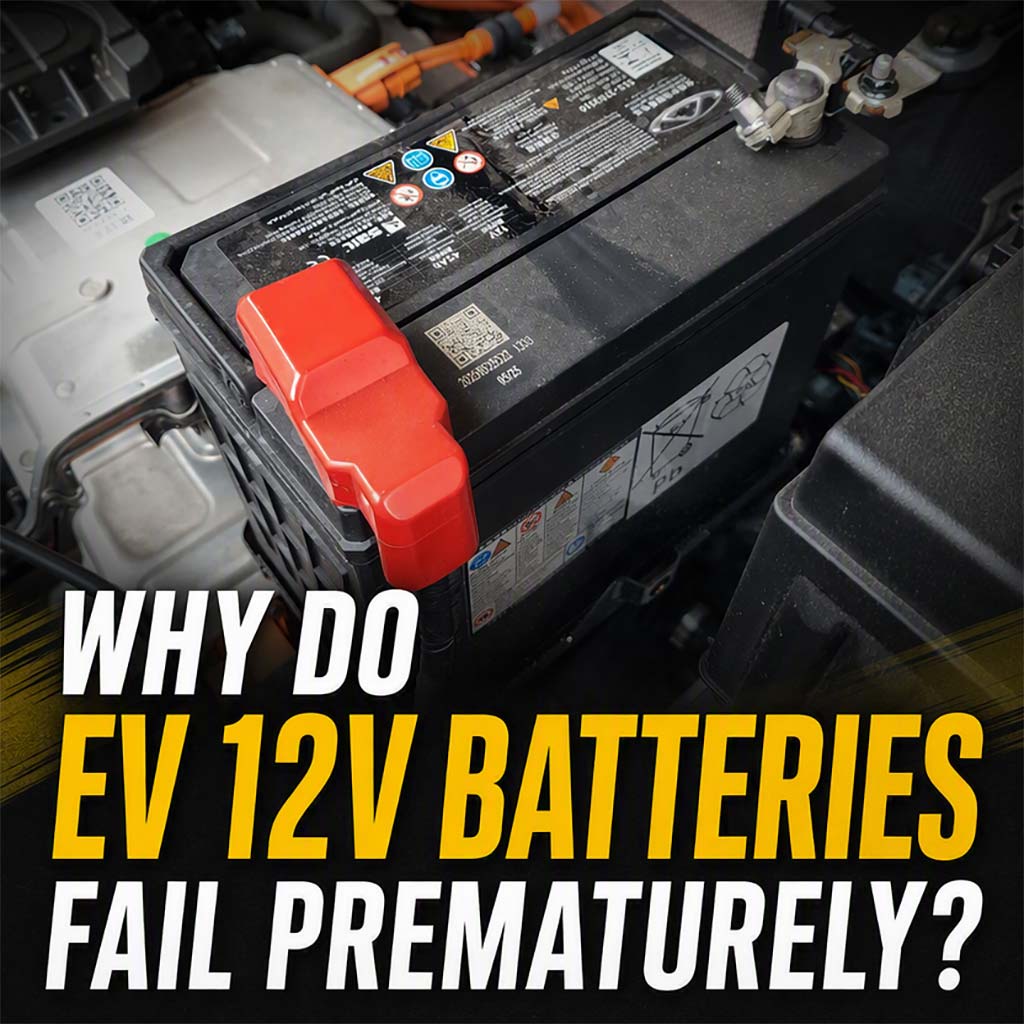
An EV 12V battery can wear out sooner than many drivers expect. It powers the control units, keyless entry, displays, communications, security systems, and circuits that wake periodically even while the vehicle is parked. Charging from the high-voltage traction battery through the DC-DC converter also depends on the operating logic of each model. Long parking periods, electrical accessories, heat, and previous deep discharges can all shorten its service life.
This guide explains what the 12V battery does, why it may fail early, the warning signs to watch for, and practical ways to protect it. Always check the owner’s manual for your exact vehicle because low-voltage battery management differs between EV models.
What Does the 12V Battery Do in an Electric Car?
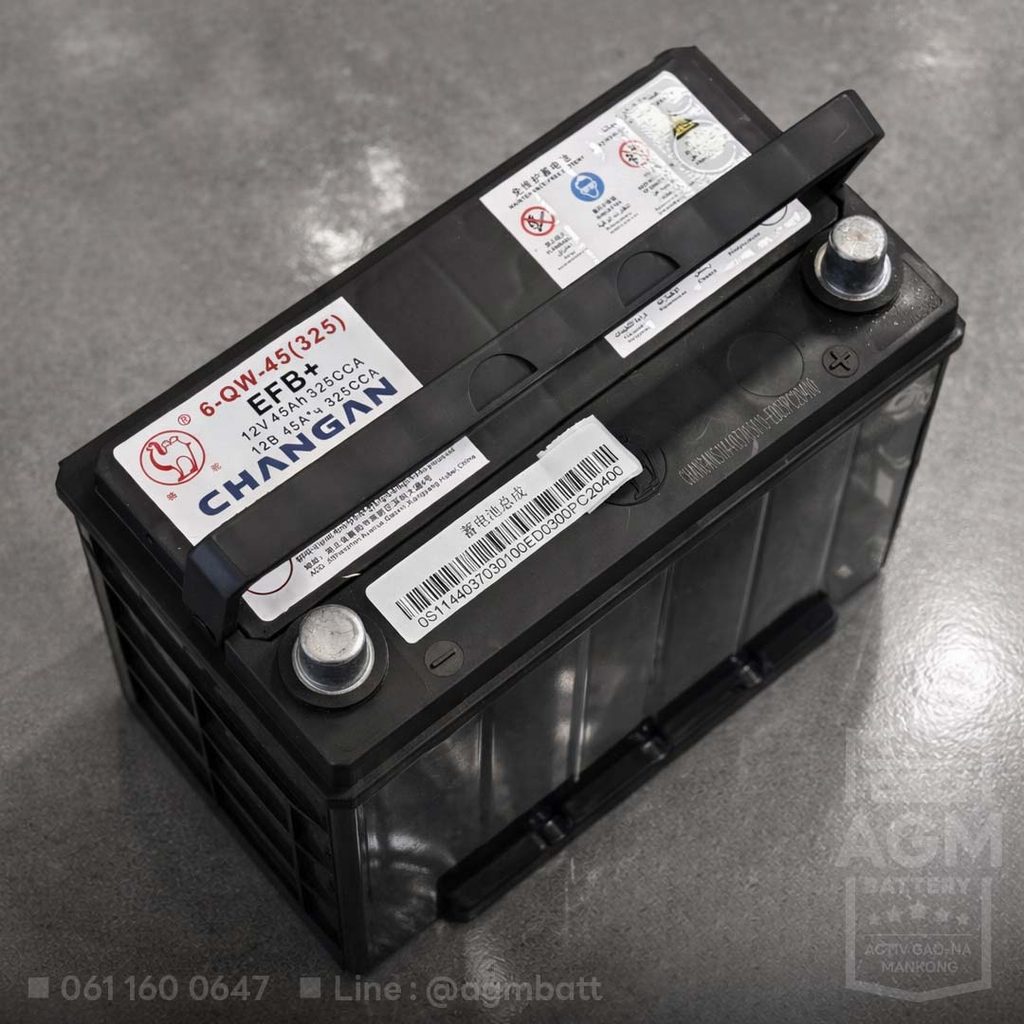
An electric car uses a high-voltage battery to power the drive motor, but it still needs a low-voltage battery for everyday electronics. The 12V battery supplies the lights, displays, door locks, alarm, control modules, communication systems, and the circuits that close the high-voltage contactors when the vehicle starts.
This means an EV may have plenty of range remaining but still refuse to unlock, power up its screens, or enter READY mode if the 12V battery is too weak.
7 Reasons EV 12V Batteries Wear Out Quickly
1. Electronic Systems Remain Active While Parked
Modern EVs use connected apps, smart keys, security systems, remote monitoring, and software updates. These features may wake control modules at intervals and draw power from the 12V battery even when the car is not being driven.
2. DC-DC Charging Logic Varies by Model
Electric cars do not use a conventional alternator. A DC-DC converter reduces voltage from the traction battery to support and recharge the low-voltage system. Some vehicles charge the 12V battery in READY mode, while others periodically wake up and charge it while parked. Charging may also depend on the traction-battery level, sleep mode, temperature, or energy-saving settings. Automatic charging therefore does not guarantee that the 12V battery can never go flat.
3. The Vehicle Is Parked for Long Periods
Small standby loads accumulate when a vehicle remains parked for days or weeks. If the car does not recharge the low-voltage system often enough, the 12V battery can become deeply discharged. Repeated deep discharge can permanently reduce the capacity of a lead-acid battery.
4. Dashcams and Accessories Draw Power
Parking-mode dashcams, GPS trackers, air purifiers, aftermarket modules, and devices left connected to power outlets may add a continuous load while the car is asleep. Incorrect wiring or the absence of a low-voltage cutoff can repeatedly drain the battery without an obvious cause.
5. Heat Accelerates Battery Aging
High temperatures speed up chemical reactions and internal corrosion. Thailand’s hot climate, especially in a warm engine bay or enclosed battery compartment, can shorten battery life. The effect is more noticeable when the battery has already aged or suffered a deep discharge.
6. The Battery Has Gone Flat Before
Restoring power with a booster does not mean the battery has fully recovered. Repeated deep discharges damage the internal plates and reduce usable capacity, making the next failure more likely. The underlying cause should be investigated after every unexpected discharge.
7. The Wrong Battery Type or Specification Was Installed
Depending on the model, an EV may use a conventional flooded battery, EFB, AGM, or a lithium low-voltage battery. Choosing a replacement by physical size alone can result in incorrect capacity, current rating, terminal layout, or charging behavior. Use the manufacturer’s specified battery and complete any required battery registration or system reset.
Common Causes and How to Prevent Them
| Cause | Effect on the 12V Battery | Prevention |
|---|---|---|
| Long parking period | Standby loads gradually reduce the charge | Follow the storage instructions in the owner’s manual and check the battery before extended parking |
| Dashcam or accessories | Continuous power draw while the vehicle sleeps | Configure parking mode correctly and use a low-voltage cutoff |
| Hot weather | Faster internal aging and corrosion | Park in shade when practical and test the battery periodically |
| Repeated discharge | Permanent loss of usable capacity | Check the charging system and parasitic draw instead of repeatedly jump-starting |
| Incorrect battery specification | Unsuitable charging and load performance | Install the type and size specified for the vehicle |
Warning Signs of a Weak EV 12V Battery
- Doors unlock slowly or do not respond normally
- The display restarts, lights flicker, or several warnings appear at once
- The vehicle will not enter READY mode even though the traction battery has charge
- The connected app or smart key works intermittently
- The vehicle will not wake after being parked overnight or for several days
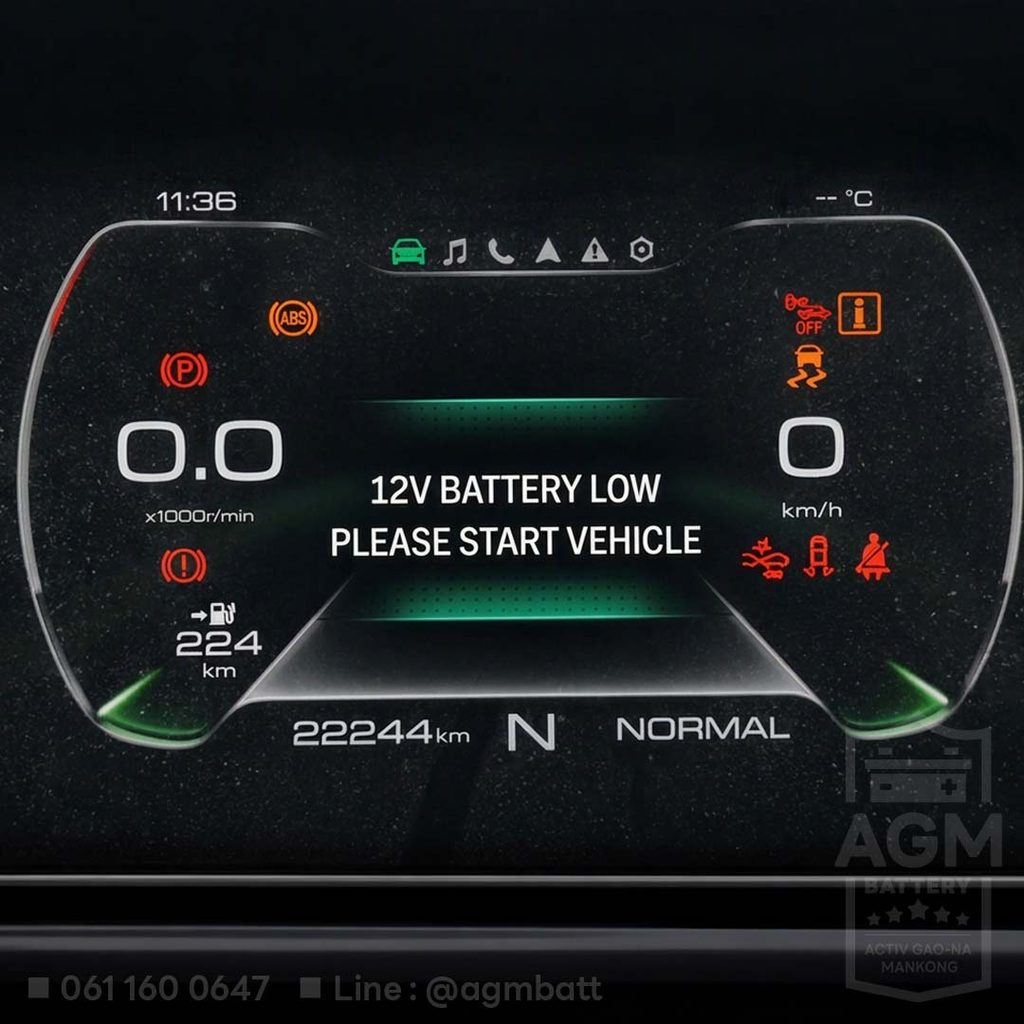
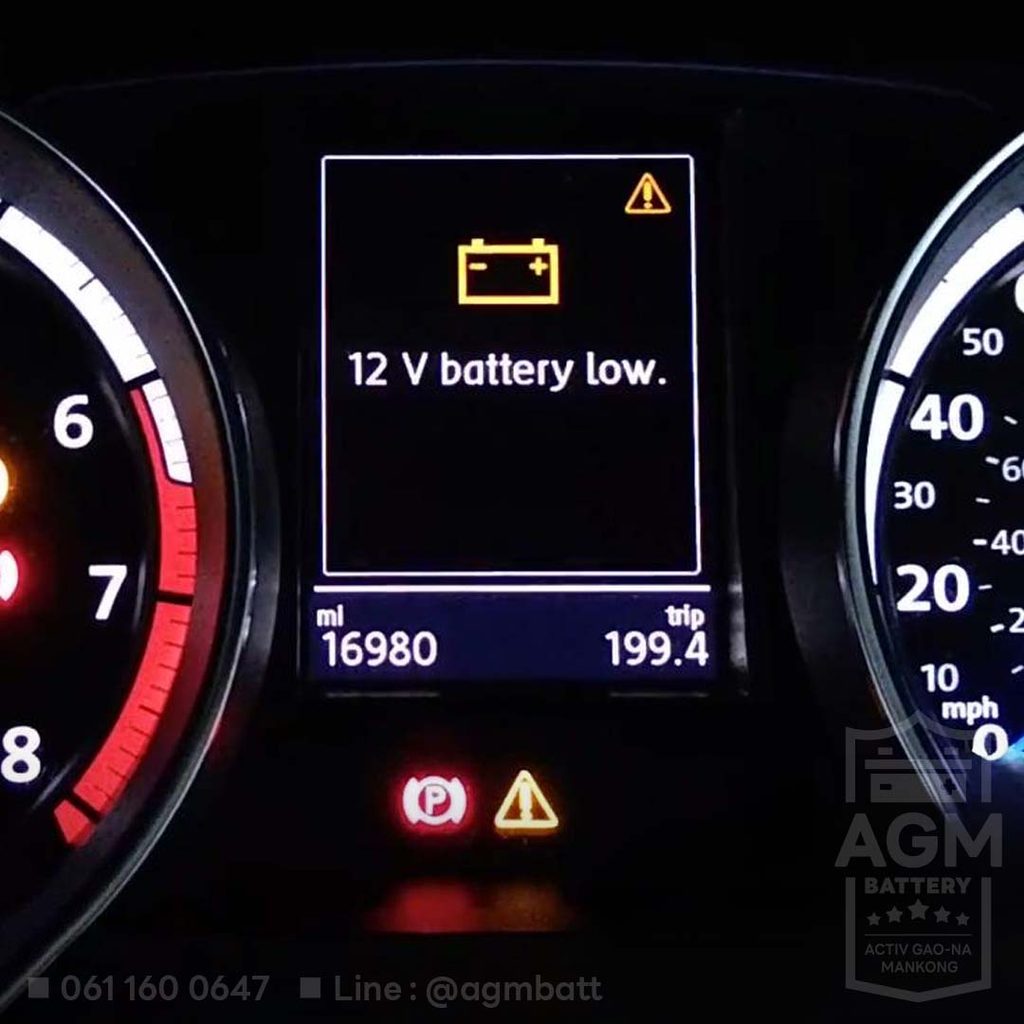
- A low-voltage battery or service warning appears
Warning messages vary by make and model, and some vehicles may provide little or no advance notice. Read our guide: Will an Electric Car Warn You Before the 12V Battery Dies?
How to Prevent an EV 12V Battery from Wearing Out Early
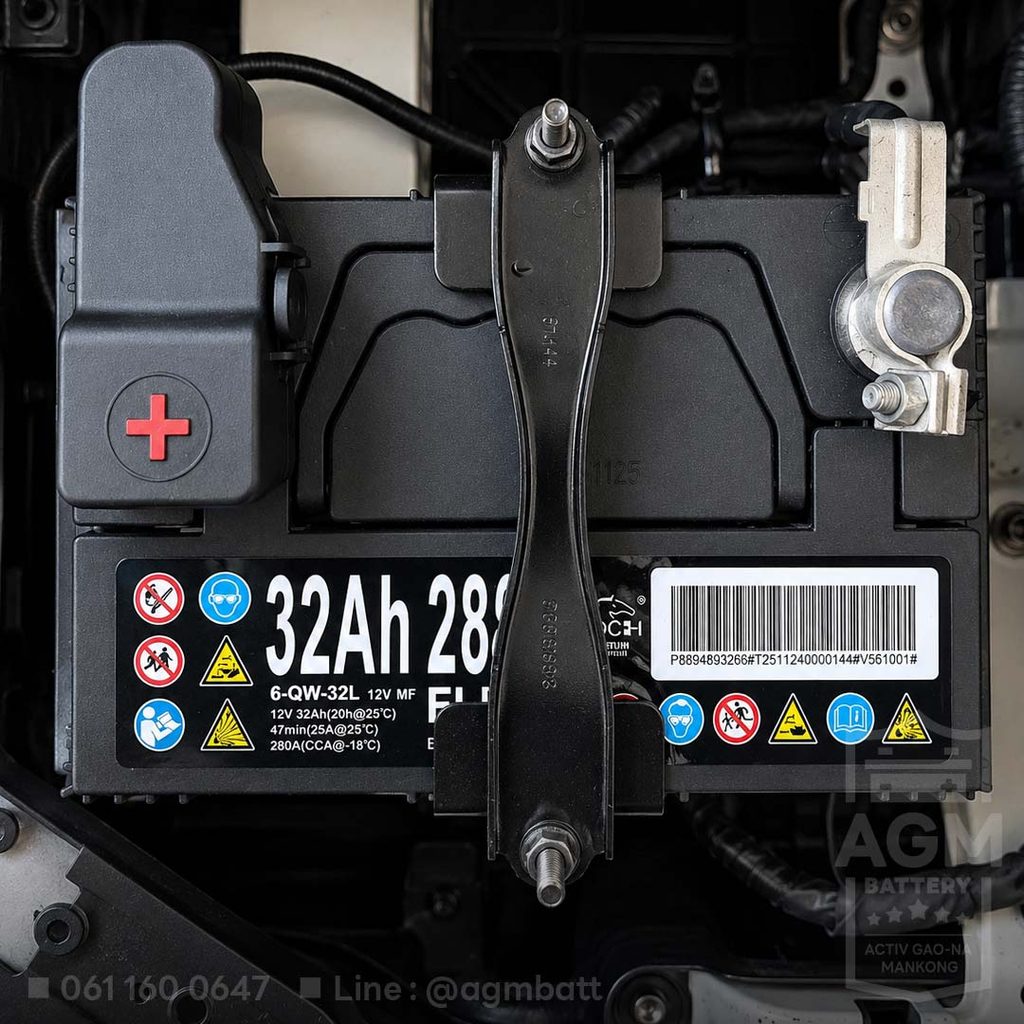
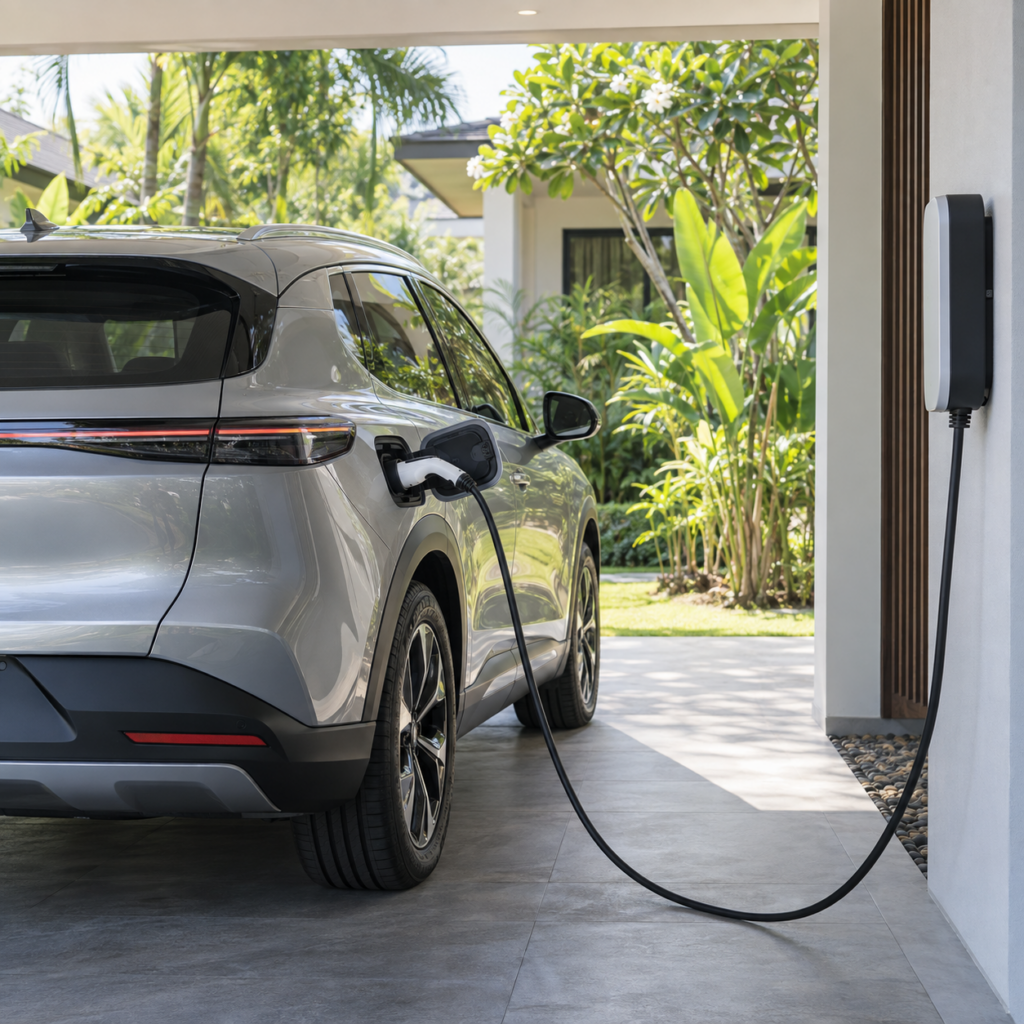
- Follow the manufacturer’s long-term parking instructions. Some vehicles should remain plugged in, while others specify a traction-battery level or storage mode.
- Do not leave the traction battery near zero for an extended period. Some models may reduce support for the 12V system when the main battery is extremely low.
- Reduce electrical loads while parked. Check dashcam parking settings, tracking devices, and accessories that remain connected.
- Test the battery before a long trip or extended parking. A proper check should assess voltage and the ability to support a load because surface voltage alone may look normal after charging.
- Investigate repeated battery drain. Ask a technician to check the battery, DC-DC converter, parasitic current, software, and aftermarket accessories.
- Use the correct replacement specification. Match the required Ah, CCA, physical size, terminal layout, battery chemistry, and any registration procedure.
- Keep vehicle software and service campaigns up to date. Manufacturers may release updates that improve low-voltage energy management.
For traction-battery care, see our EV Battery Care Guide. If your vehicle specifies an AGM battery, learn more in What Is an AGM Battery?
When Should an EV 12V Battery Be Replaced?
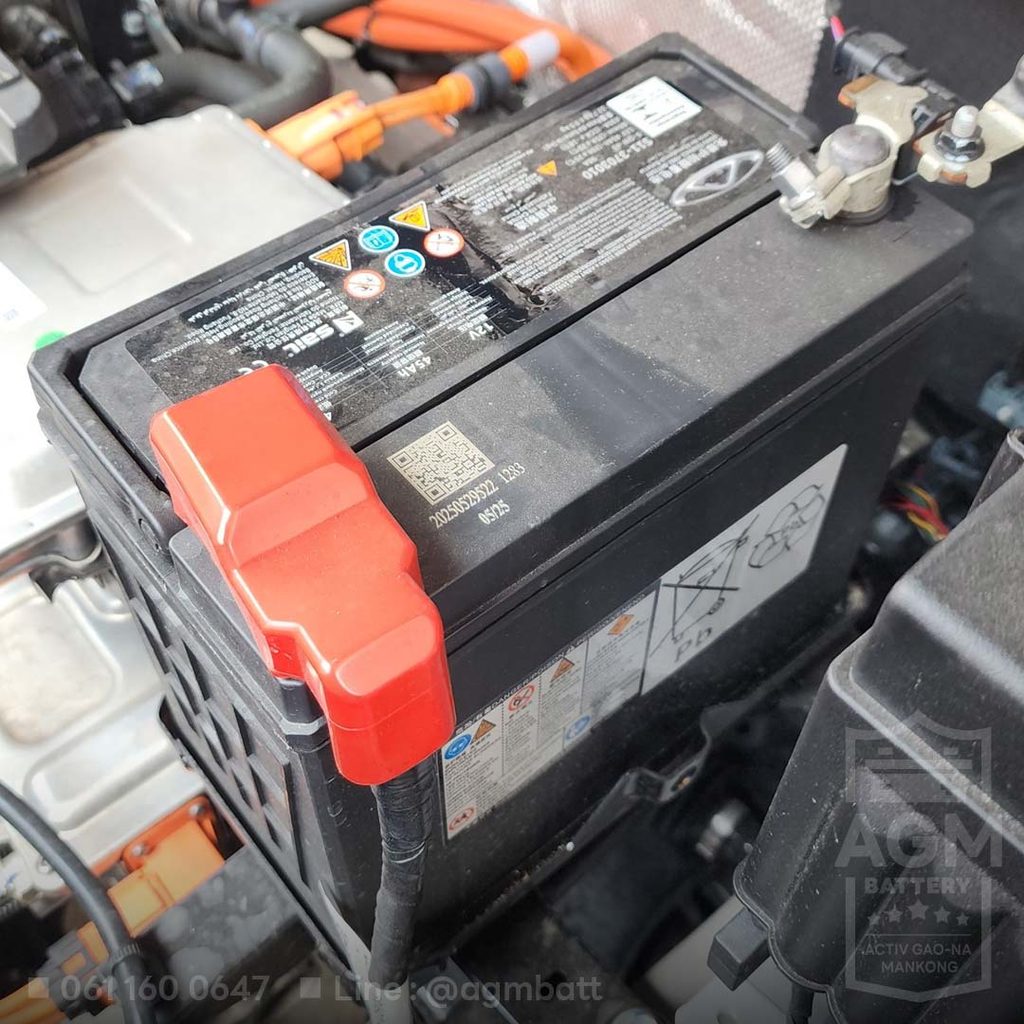
There is no single replacement interval that applies to every electric car. Service life depends on battery chemistry, temperature, usage pattern, charging strategy, and discharge history. Consider the test results together with symptoms and the manufacturer’s guidance. If measured performance has dropped substantially, the battery repeatedly goes flat, or the vehicle shows a low-voltage warning, replacement before a sudden no-start condition is sensible.
What Should You Do If the 12V Battery Is Flat?
Use only the low-voltage access and power-supply procedure specified in the owner’s manual. Jump points and the correct sequence can differ from a petrol or diesel vehicle. Never touch orange cables or high-voltage components. Once the vehicle powers up, have the battery and charging system tested to identify the cause rather than assuming the booster solved the problem.
Frequently Asked Questions
Can the 12V battery die when the traction battery is full?
Yes. A worn 12V battery, abnormal electrical load, charging conditions, or a system fault can prevent the low-voltage battery from staying charged. Energy remaining in the traction battery does not guarantee that the 12V system will always be available.
Why can it fail if an EV charges the 12V battery automatically?
Automatic charging has operating conditions and limits. It may not maintain voltage if the battery is damaged, heavily aged, affected by an abnormal electrical load, or the vehicle is in a mode that restricts low-voltage charging.
Can you jump-start an electric car?
Many models allow an external low-voltage supply to unlock or wake the vehicle, but you must use the points and procedure specified in the owner’s manual. Do not guess the connection points or use the EV to jump-start another vehicle unless the manufacturer explicitly allows it.
Do all electric cars use an AGM battery?
No. Low-voltage battery technology and specifications vary by model. Check the owner’s manual, the original part number, or the manufacturer’s information before choosing a replacement.
Is a voltage test alone enough?
Not always. A worn battery may show normal voltage immediately after charging but collapse under load. A conductance or load test, together with a check of the charging system, provides a more useful assessment.
Conclusion
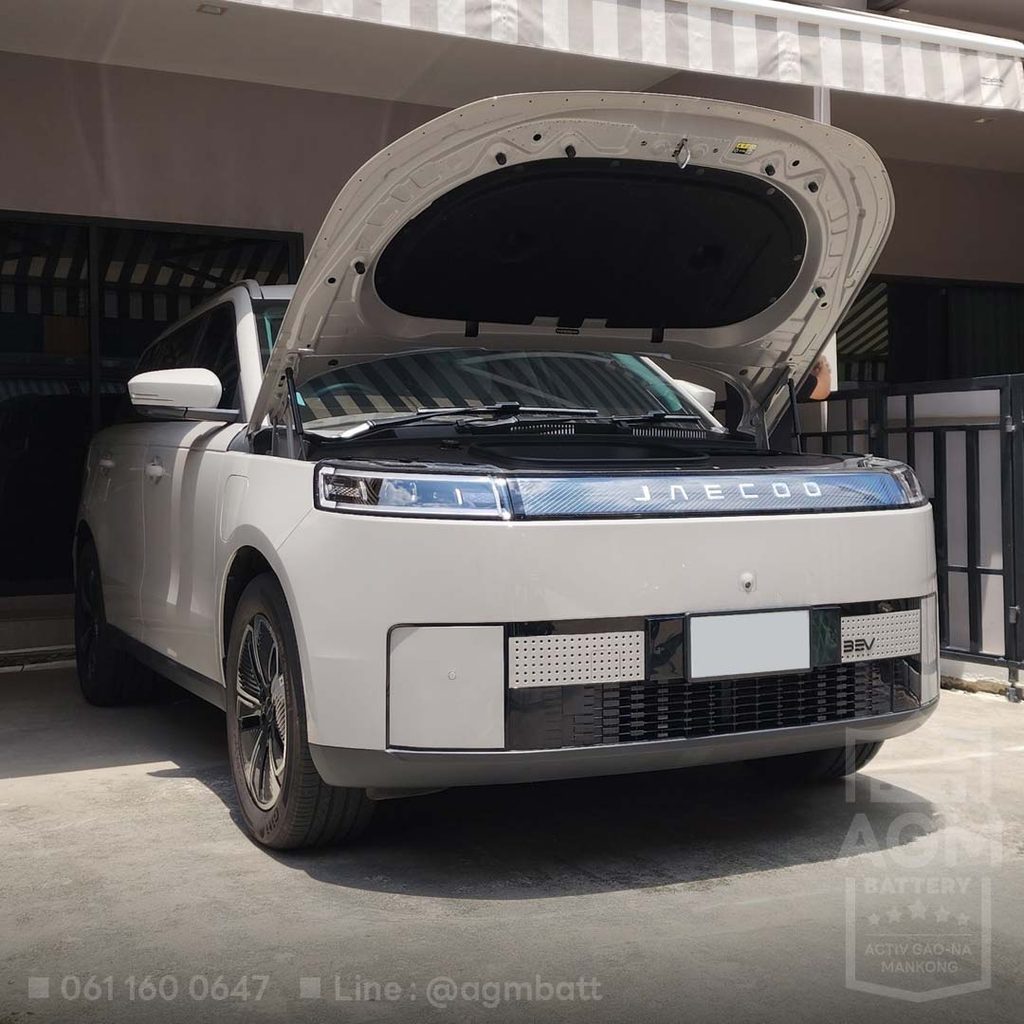
EV 12V batteries often wear out early because of background electrical activity, model-specific charging logic, long parking periods, accessories, heat, and deep discharge. Using the correct battery, testing it according to condition, and investigating repeated discharge promptly can reduce the risk of finding an electric car completely unresponsive.
Need an EV 12V battery inspection or replacement? AGM Battery Shop provides professional advice and mobile battery service throughout Bangkok and surrounding provinces. Call 061-160-0647 or contact us on LINE at @agmbatt.